
Solar
Understanding Feed-in Tariffs and Time-of-Use Rates
Two numbers on your electricity plan quietly decide how much your solar earns. Here is how tariffs really work — and how to make them work for you.
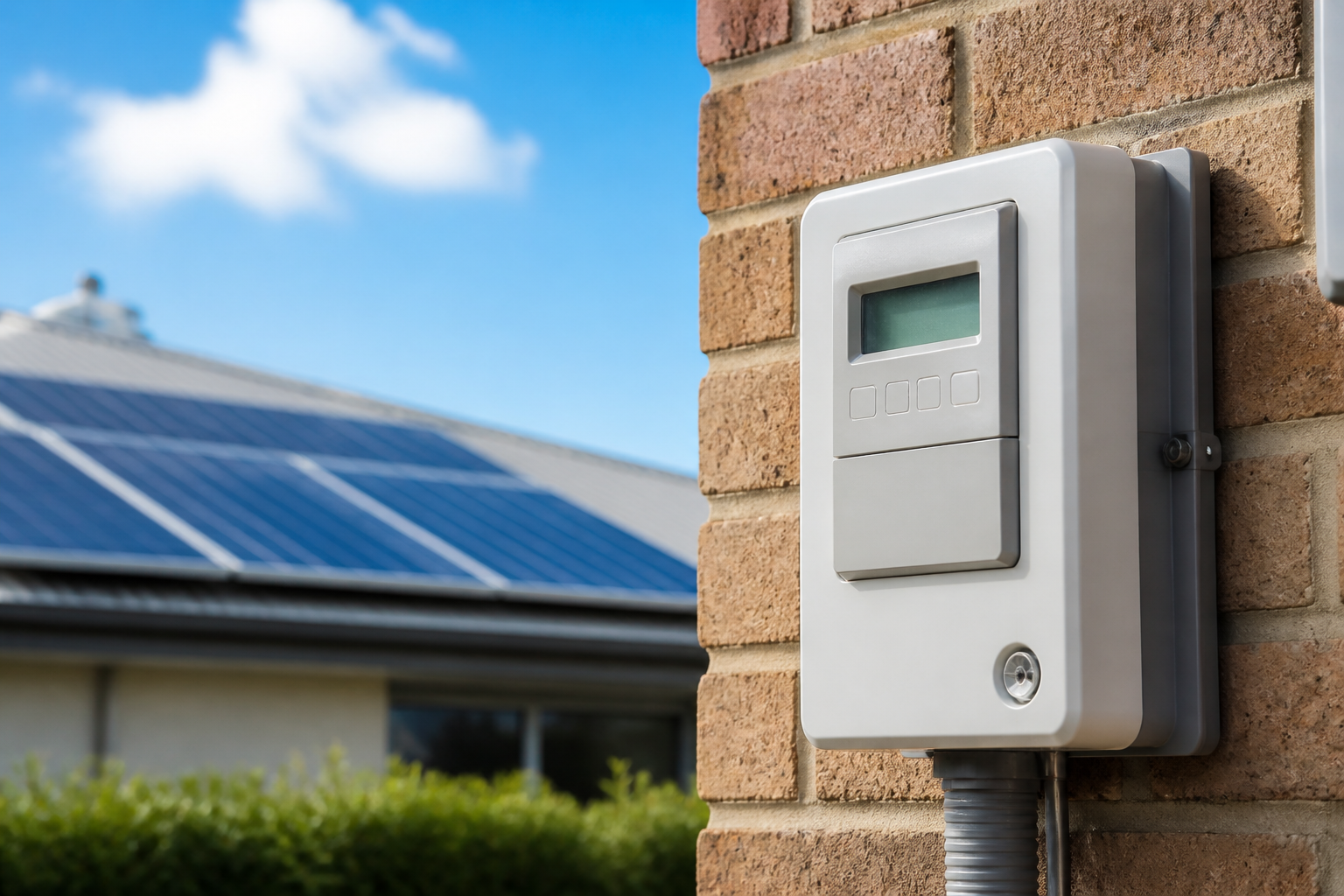
Once panels are on the roof, your savings are decided by two things you can still control: the plan you are on, and when you use your power. Both come down to understanding two pieces of billing jargon — the feed-in tariff and time-of-use rates. Neither is complicated once someone explains it straight.
The feed-in tariff: what your exports earn
Any solar energy your home does not use flows out to the grid, and your retailer pays you a feed-in tariff for it — typically just a few cents per kilowatt-hour these days. A decade ago feed-in rates were generous; today they are modest and still drifting down, because midday solar has become abundant. That sounds like bad news, but it mostly changes strategy: exports are now the consolation prize, not the goal.
Why self-consumption beats exporting
Every kilowatt-hour of solar you use directly replaces grid power you would have bought at 25 to 35 cents. Every kilowatt-hour you export earns perhaps 3 to 6 cents. Using your own solar is therefore worth five to ten times more than selling it. Practical translation: run the dishwasher, washing machine, pool pump and hot water timer during daylight. Households that shift even a couple of appliance cycles into the solar window see it on the very next bill.
Time-of-use rates: not all grid power costs the same
Many homes with smart meters are on time-of-use plans, where the price of grid electricity changes through the day — a peak window in the evening when everyone cooks and heats, cheaper shoulder periods, and a low overnight off-peak rate. For solar households this structure is usually a friend: your panels already cover much of the expensive daytime, and the pricey evening peak is precisely the gap a battery, or simply smarter appliance timing, can close.
Reading your own bill
Grab a recent bill and find three numbers: your usage rate (or rates, if time-of-use), your daily supply charge, and your feed-in tariff. Then look at your export volume. If you are exporting most of what you generate while paying peak prices each evening, you have a mismatch worth fixing — through load shifting, a better plan, or storage. Retail plans differ more than people expect, and comparison sites let you test your actual usage pattern against the market in minutes.
Set the system up to win
The best results come from stacking small, boring decisions: a plan matched to your usage pattern, appliances on timers, hot water heating at noon instead of midnight, and a battery when the evening-peak maths justifies it. Fortune Power walks through a recent bill as part of every solar quote — because the tariff strategy is worth real money, and it costs nothing to get right.